
Arrest Warrants in Blount County
Every Blount County arrest warrant begins as a criminal complaint plus a judicial call on probable cause. Tennessee Rule 4 and state law set the review. A magistrate, clerk, or Judicial Commissioner examines the sworn facts. If the law allows, the court can issue a summons or citation instead of an arrest warrant. That choice belongs to the judicial official, not the officer. A search warrant, by contrast, only authorizes a search for evidence. Blount County keeps Judicial Commissioners at the Justice Center around the clock. They issue criminal warrants and summonses, arraign people, set bond, and set court dates after an arrest. None of that promises a walk-in recall hearing for someone who has not been arrested.
Blount County Arrest Warrants Start With an Affidavit
Someone must swear to the facts first. In Blount County, the affiant is usually an officer. The affidavit describes the alleged offense and its factual basis, and the Tennessee form also asks for the county, the offense and its statute, source information, the oath, and the probable-cause choice. A judicial official then decides the outcome. Warrant, summons, or citation: that call belongs to the court, and this path covers a new complaint rather than a missed court date. The blank General Sessions affidavit shows how the form is structured.
The blank state form explains the decision fields without exposing a real person’s case.
What a Blount County Arrest Warrant Contains
A Tennessee warrant form carries case and process fields. Blount County has published no local number format or live sample. The table lists the fields a person can ask the clerk to explain. Not every field will appear in the county's public portal or in an unredacted copy.
| Process number | No local format published; ask the clerk for the number on the case. |
|---|---|
| Named party | May identify the person named; personal descriptors should not be copied into a public example. |
| Charge / offense | Read with the court, statute, and case event. |
| Issuing official | Judicial Commissioner, magistrate, or other authorized court official. |
| Bond / conditions | Ask the court for the terms set in this case; no public countywide bond schedule was found. |
| Date / return | Issue and officer-return dates may show the process path, but not every detail is public. |
Who Serves Blount County Arrest Warrants
BCSO's Warrants Unit tracks people named on criminal arrest warrants, with patrol deputies pitching in. Maryville and Alcoa run their own city police. Louisville contracts with BCSO. Rockford says BCSO covers it. Friendsville's code gives its city judge warrant authority, though current service staffing is not published. The issuing court and the serving agency may hold separate warrant records. Ask the originating clerk about the docket and BCSO about sheriff service, since one office's answer may not update the other. The county Judges page describes the Judicial Commissioner role, including the commissioner's court function.
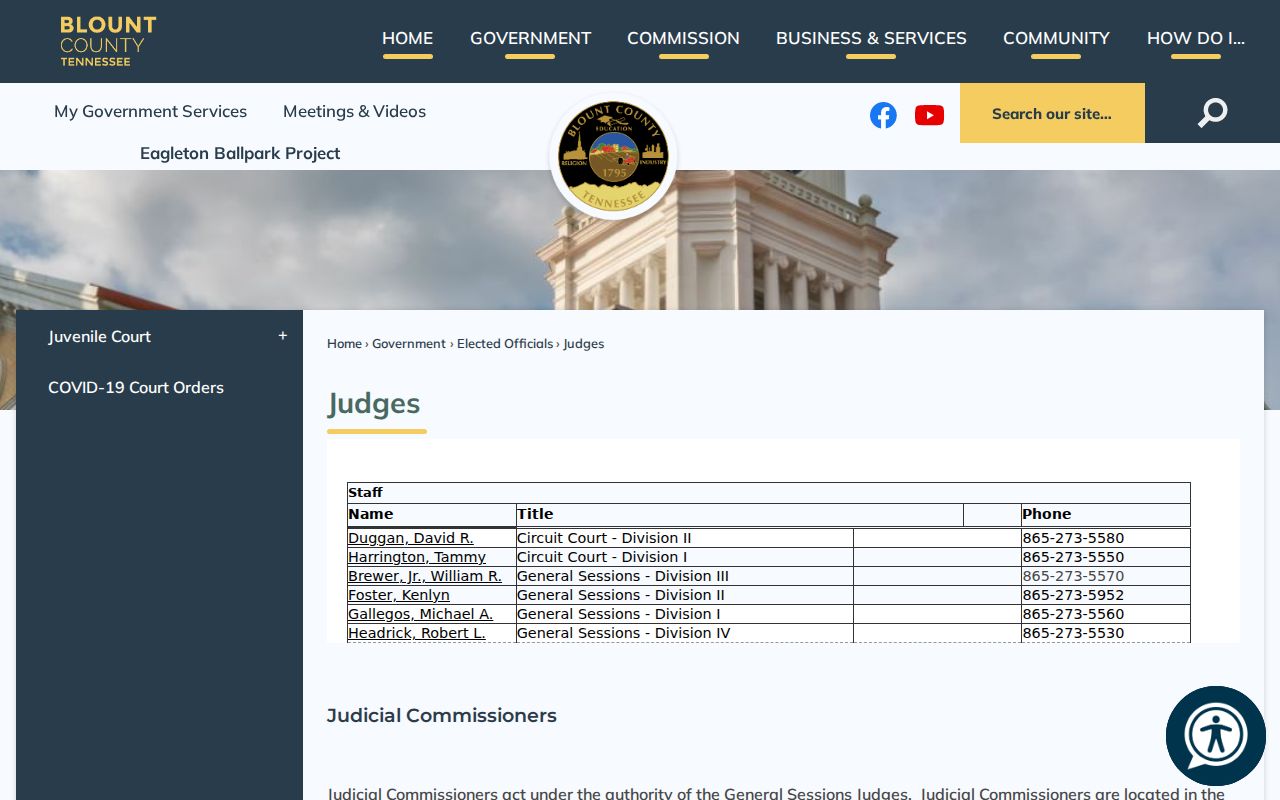
Commissioners issue process and set bond; the Warrants Unit handles service.
How Blount County Arrest Warrants Are Served
Once process issues, it is directed to an authorized officer or agency. BCSO's Warrants Unit locates and serves criminal arrest warrants. Patrol deputies assist. City officers handle city law enforcement. Agencies coordinate when a matter crosses jurisdiction lines. No public source gives a timetable for service, and none can predict when service will occur. After an arrest, Adult Corrections and the Judicial Commissioner channel handle booking, arraignment, bond, and court dates. If the court or BCSO directs a surrender, call Adult Corrections at 865-273-5245 for instructions. The county posts no bond schedule. There is no self-surrender checklist either.
Sealed Blount County Arrest Warrants May Be Hidden
A Blount County case search can come back empty for reasons that have nothing to do with you. Confidential, sealed, and juvenile matters are excluded, and so are records tied to an active investigation. The portal's public notice says exactly that. No source fixes the moment every warrant or indictment becomes public. So an empty search proves nothing about warrant status. For a copy, ask the Blount County Circuit Court Clerk whether the warrant and its affidavit are releasable and whether redactions apply. The county's court public-records policy spells out the request route. A records request gets you a specific document, not a warrant-status guarantee.
Blount County Arrest Warrant vs Summons or Bench Warrant
An arrest warrant commands an officer to take a person into custody. A Blount County summons works differently. It directs an appearance without any arrest command. A bench warrant usually follows an existing court duty, such as a missed date. For that process and each court's resolution route, see Blount County bench warrants.
| Feature | Arrest Warrant | Summons | Bench Warrant |
|---|---|---|---|
| What it orders | Arrest and presentation to court | Appearance on a stated date | Action on a missed court duty |
| Basis | Probable cause from a complaint | Process selected after review | Failure to appear or comply |
| Who issues it | Authorized magistrate or commissioner | Court or authorized official | Judge in the existing case |
| How to respond | Contact counsel and the issuing court | Appear as directed | Ask the court about recall or a new date |
Federal Dockets Do Not Replace Blount County Warrant Records
A federal criminal case runs through the federal court system. It never lands on a Blount County Circuit Criminal docket. PACER is the official federal court-record service. It opens case files, not a public list of active warrants. So a federal case result settles nothing about Blount County state-court process or sheriff service. If your paperwork names a federal district court, work with that court's clerk and your counsel on the next steps. The U.S. Marshals publish no public warrant roster. Read nothing into a county search or a PACER case caption. For federal dockets, open PACER's official federal case-search service.
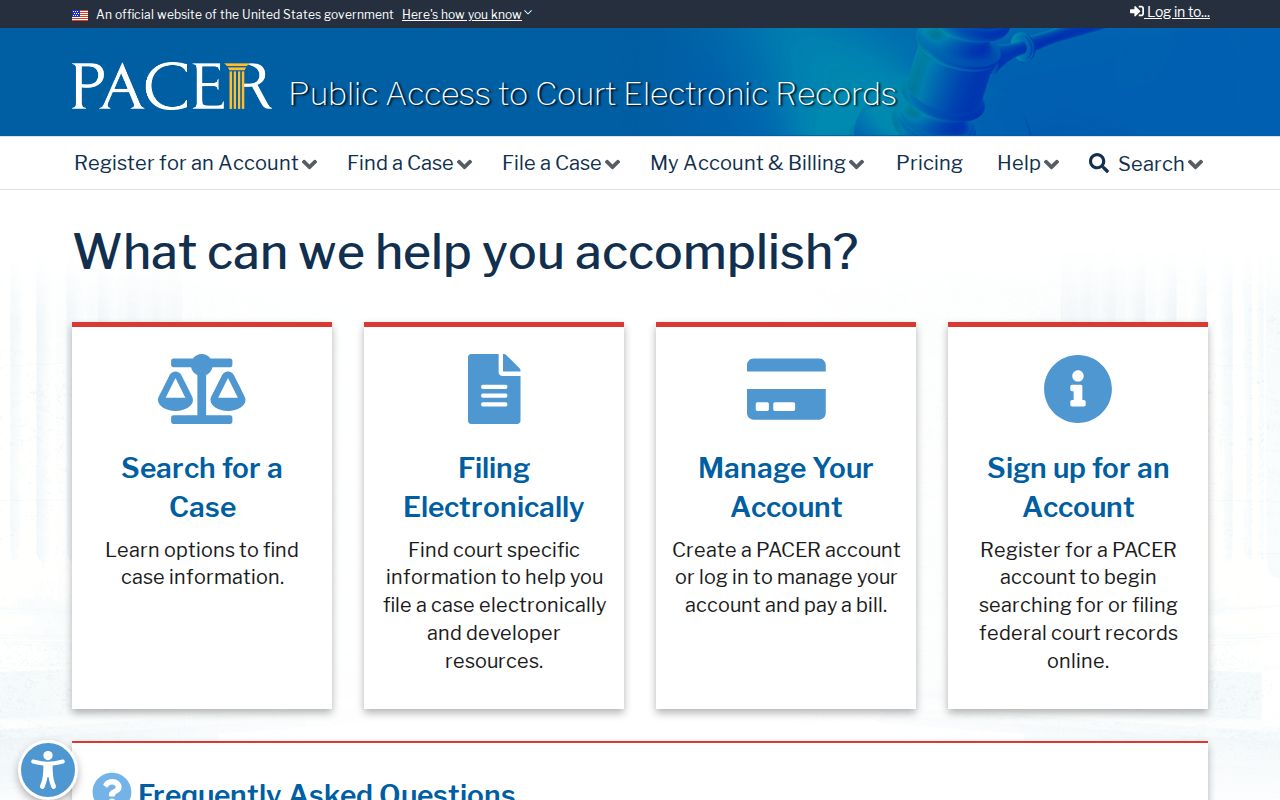
Federal case access and local warrant confirmation are separate inquiries.
Blount County Arrest Warrant Bond Comes From Court
No website can set bond. In Blount County, a Judicial Commissioner sets the amount, and a court can attach conditions of release. There is no public universal bond schedule. Whatever figure appears on a form or docket, confirm it for the specific case before relying on it. Copy fees and card-processing charges from the clerk are not bond money. Talk with an attorney first about a motion or an arranged surrender, since either may beat a walk-in arrest. If the court tells you to surrender, call Adult Corrections for intake instructions before you go. Once released, hold on to the order and your next court date, and check the docket and any BCSO service status on your own.
What to Do About a Blount County Arrest Warrant
Suspect a Blount County arrest warrant? Identify the issuing court first, then have a lawyer confirm the process. From there, the path forks. A voluntary surrender, a bond, or a motion to recall or quash are all options, but the right one turns on the order and the charge itself. The clerk cannot advise you or promise a reset. Call BCSO or Adult Corrections before you travel if you need service or custody instructions.
- Write down the court, case number, charge, and docket wording.
- Ask the issuing clerk which order or bond condition controls.
- Speak with an attorney about recall, surrender, and the next hearing.
- After action, get the written order or new date and confirm both court and service records.
Important: Speak with an attorney before appearing; call the court or BCSO for current instructions and do not assume an online case result is live.